Practical cognition

I think there are different ways of being an editor, and while it is possible to see editing as a form of “correcting” a deficient or incomplete creation, it is also possible to see the editor as part of the creative process—not only acting on but within it, too.

As an editor, I try to enter into the world of the work—the consciousness of the artist—and sense what that works wants to become, what the artist intends. Being identified with the first-person perspective of the artist, it can be hard to see the shape of one’s work in a larger context, or to be aware of some defects in one’s one realization of an idea or transmission of feeling. The self and the work are still fused and interdependent; there is insufficient distance to judge.

An editor offer can offer a more disinterested, yet still caring point of view—with empathic insight. S/he can also serve as a bridge to readers and a wider cultural currents, to which they are attuned. An editor may also provide a critical stress-test to the final composition, so that by the time it reaches an audience, it has been subjected to a cold, clear eye of mature taste—as well as the furnace of the heart (which this editor keeps blazing through many dark nights), which is fueled by passion and respect for the craft.

Yet as a creator, I hate to throw things away, if they feel true to me. A line, image, rhyme, sound, crazy-seeming idea—may not fit where I originally thought it did, or anywhere else that’s obvious, but I keep it scribbled somewhere for compositing, recycling, or repurposing later on. Sometimes it takes many years for a scrap a poetry to find its place in the world. (Most, sadly yet thankfully, never do.) Yet a spark of genius can light an inferno, if conditions are right.

At the same time, I think you are right that some destruction—I’d add, mindful deconstruction—must take place intimately with the process, if only to tidy up and declutter our minds, break bad habits, and make space for new forms and fresh energies, which the world needs to recreate itself and become other than what it was.

Thanks for bringing attention to this topic that’s close to my heart.
3 Likes

Always a pleasure to read your replies Marco, I like your profound thoughts regarding the subjects Im exploring. Thank all of you who replies its interesting to take part of peoples angles and thoughts.

I have been contemplating the different interpretations of conceptual vs metaphorical understanding. I have found it weird that we rely so heavily on concepts that determine a specific meaning, when there are so much that has a more metaphorical nature, I wrote this to a friend:

God is seen as a conceptual entity by many, the metaphorical meanings of god which don’t express the same iconic implication of what “a god is”, but rather what it stands for in terms of various views, if I give an example, by discussing what the word “cold” associate to you, and I explain what “cold” means to me, we do not need to share the exact view of what cold should mean. I cannot say, you are wrong because you didnt say “morning breeze”.
This is I think why god should be seen as a metaphorical comprehension, something its ok to have variative ideas about, but that all is shared under the ‘idea of god’.
I also think that this variative understanding of something that metaphors contain is in a sense creating ability to reflect on new perspectives of itself, the idea of ‘god’ to me is a sharing of thought that is meant to differ from others but by that shape new perspectives and not cause conflict, and this is what I think metaphors do when they are being discussed. There is no shame in having an own perspective in such discussion.

If the metaphorical discussion creates the social room for dialogue , we then see philosophy evolve in such rooms, its a opposite of social conformity because it is a dynamic place.

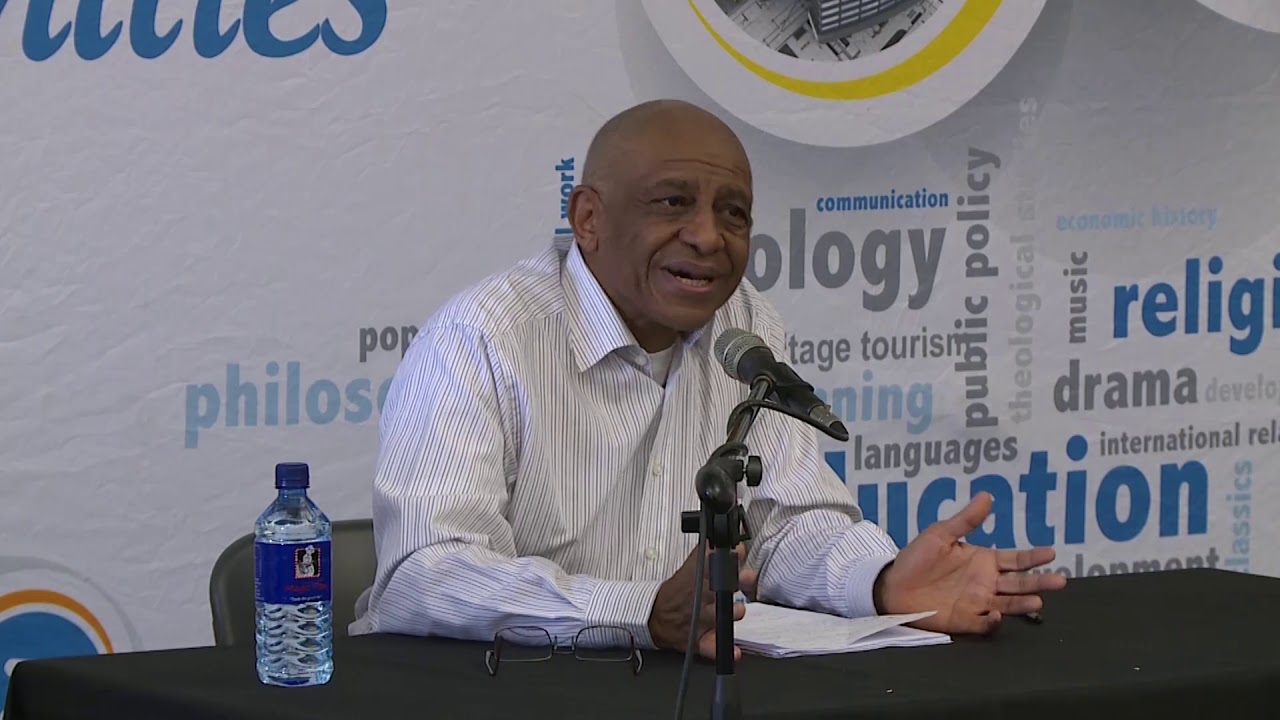
Mogobe Ramose discusses the idea of “university”. (Starts at 50:56)

3 Likes

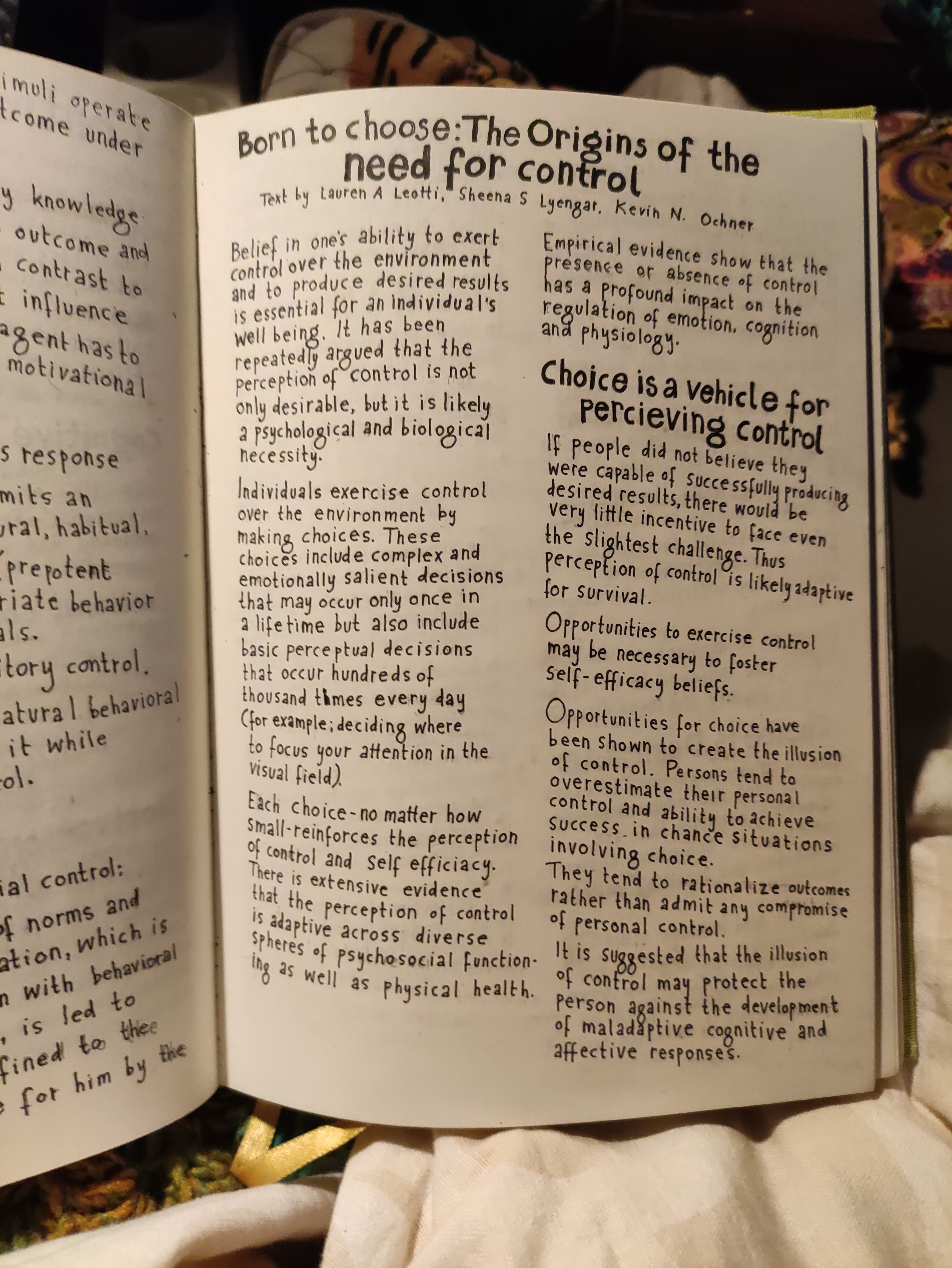
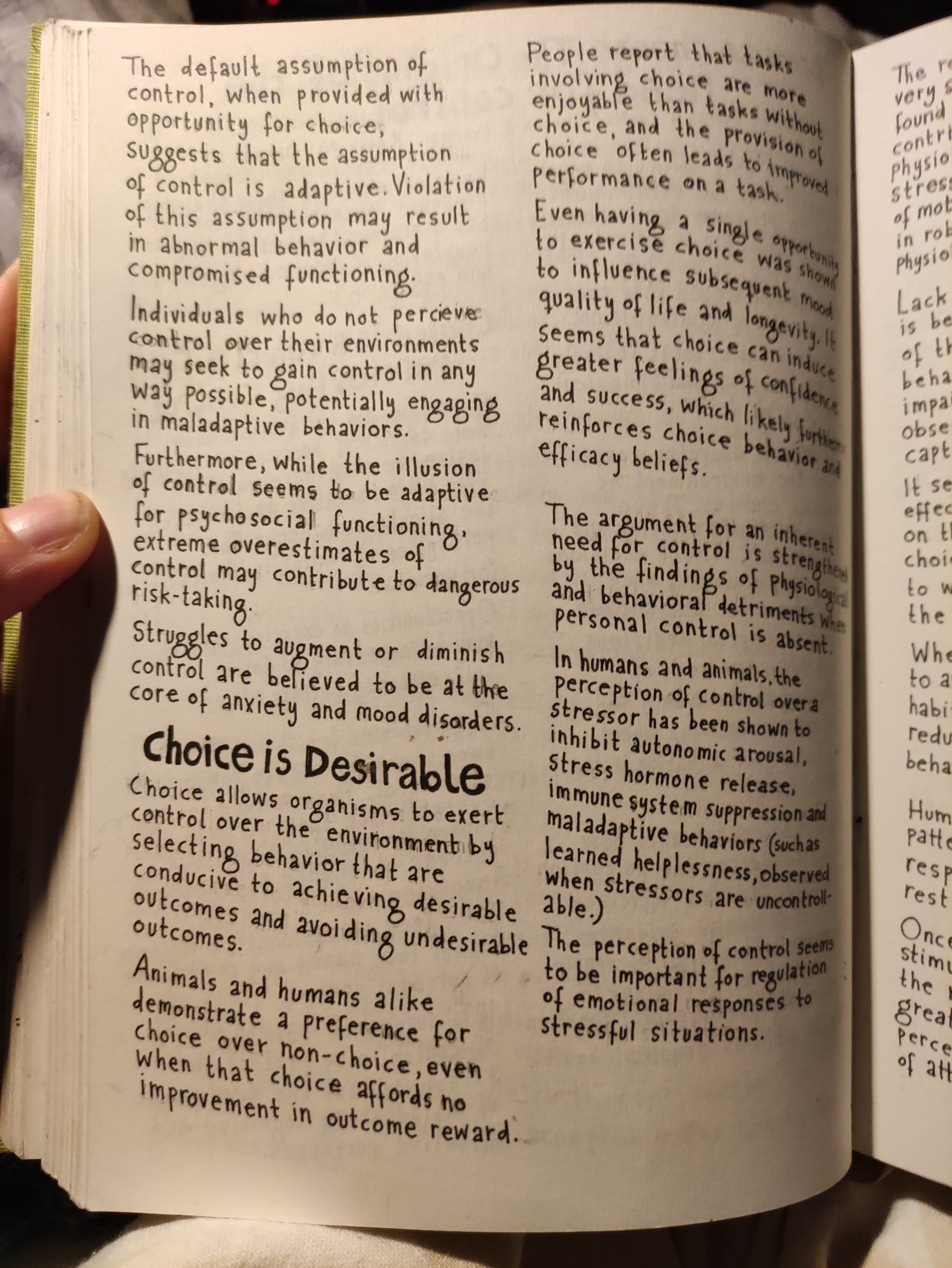
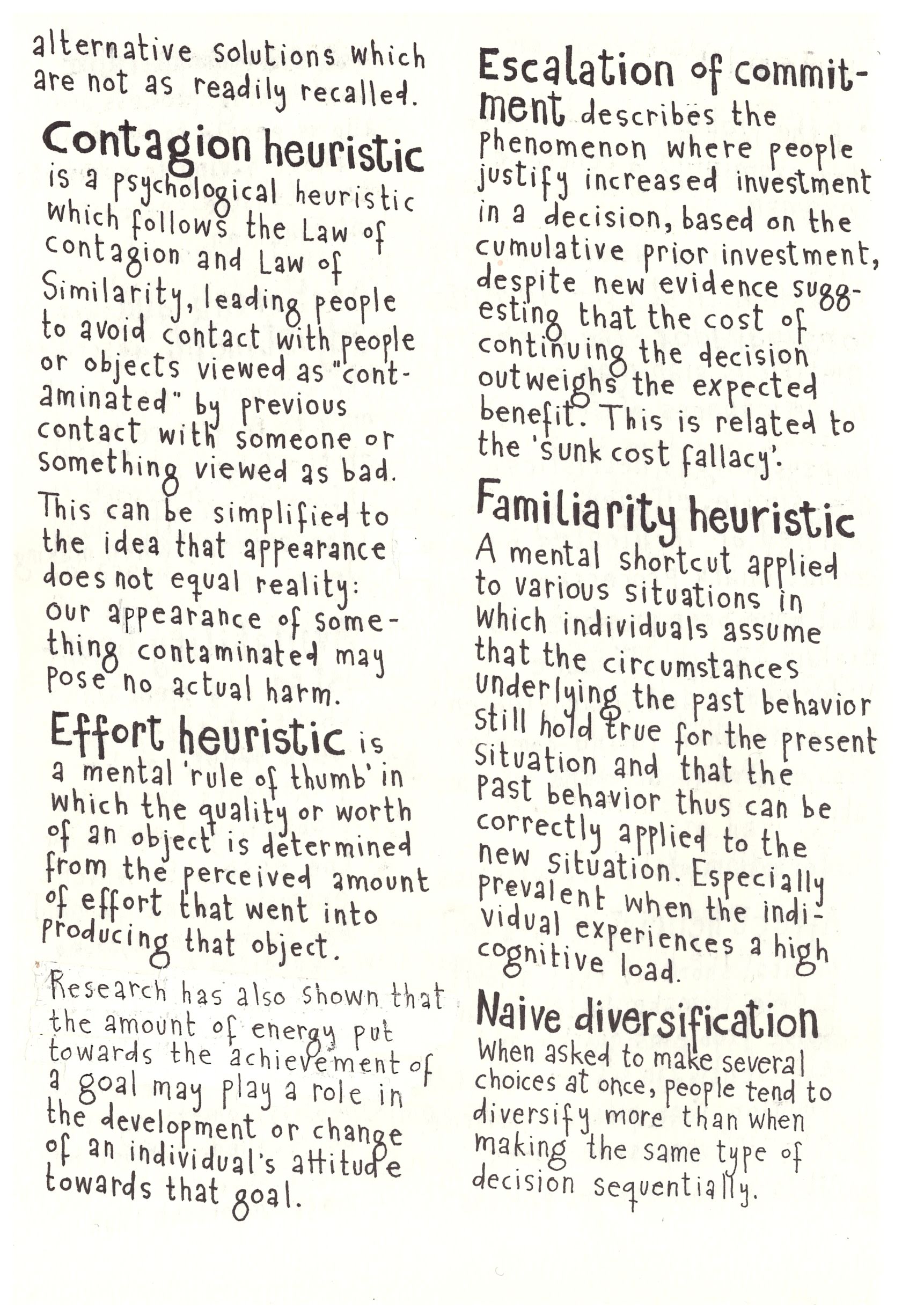
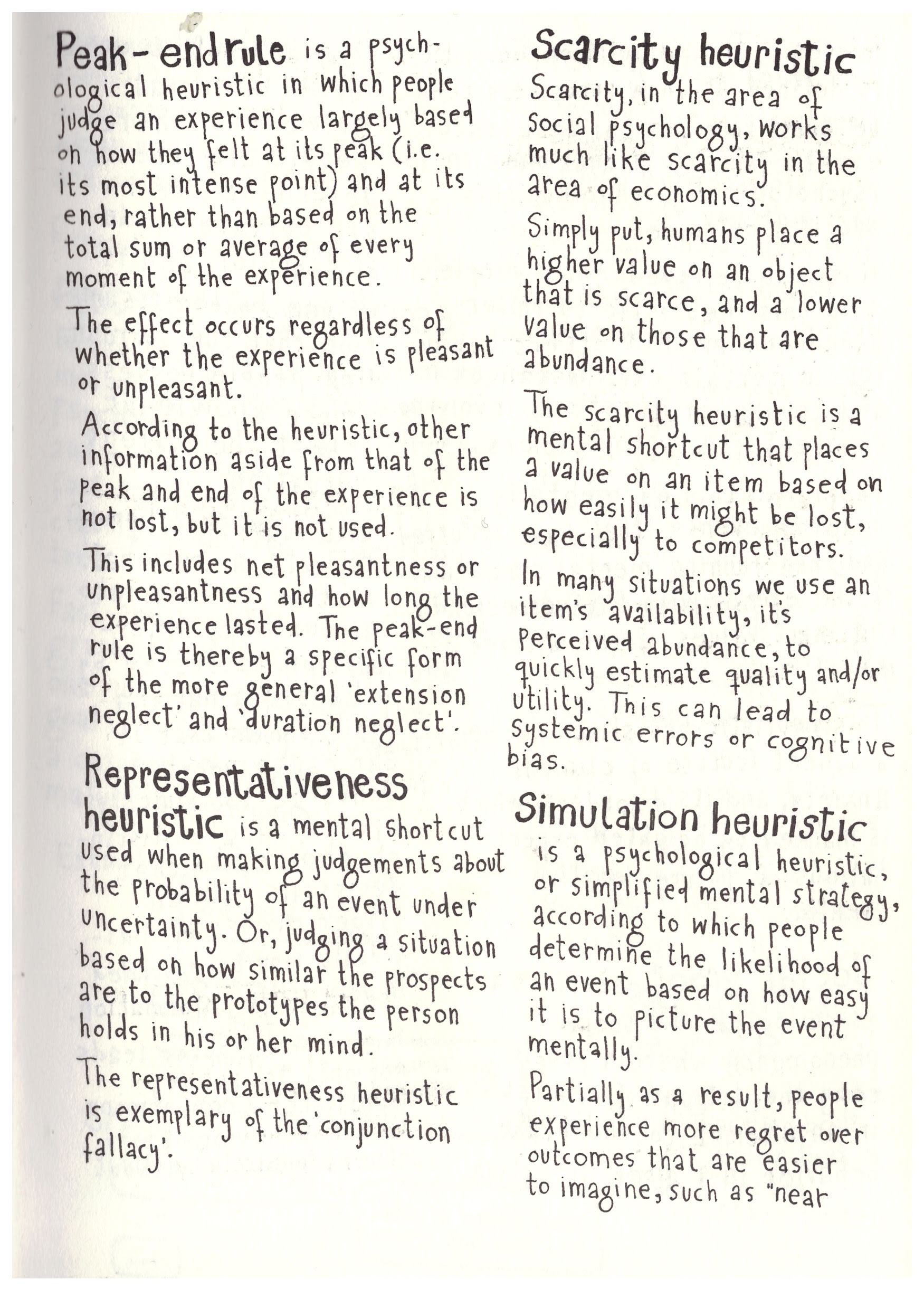
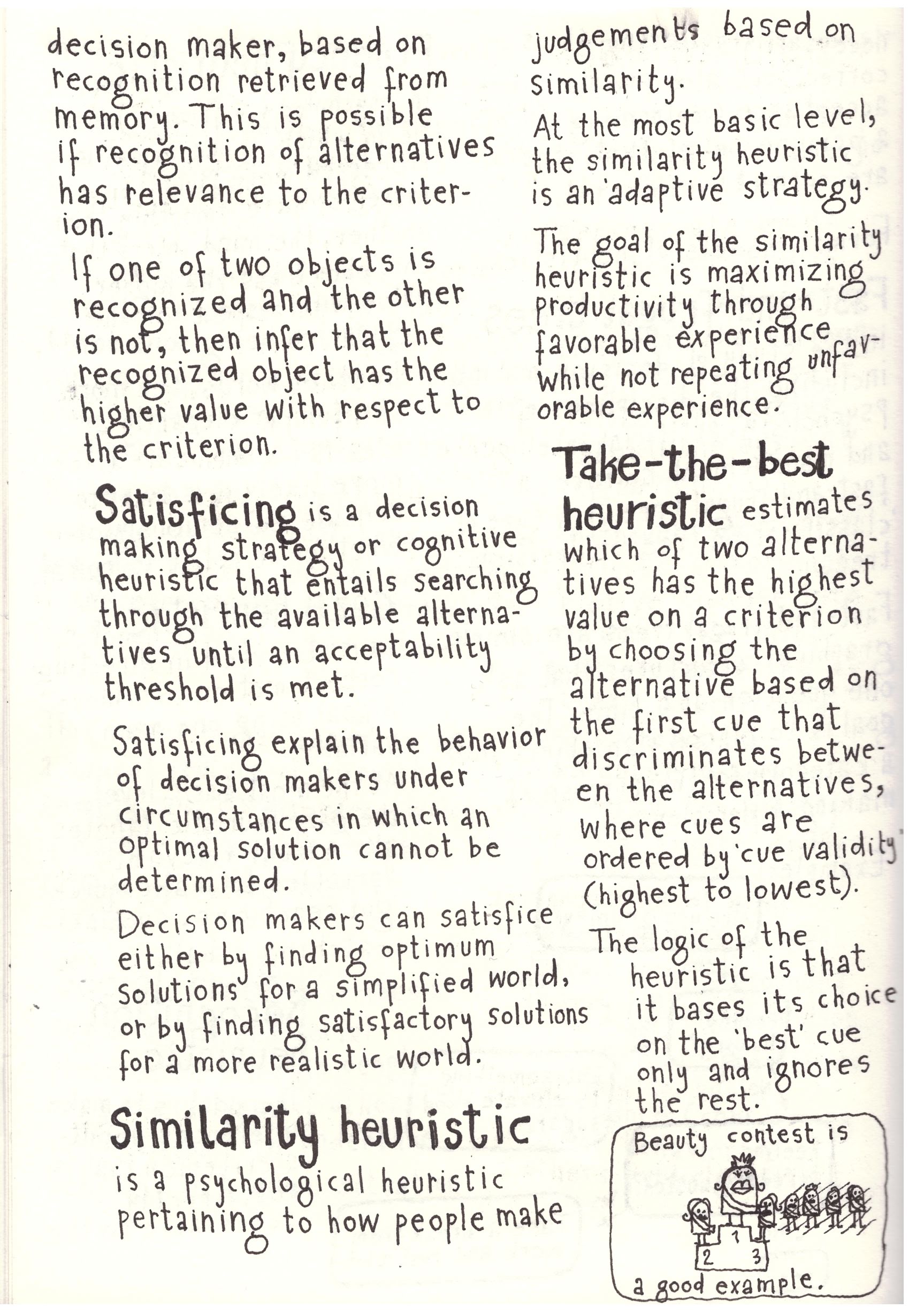
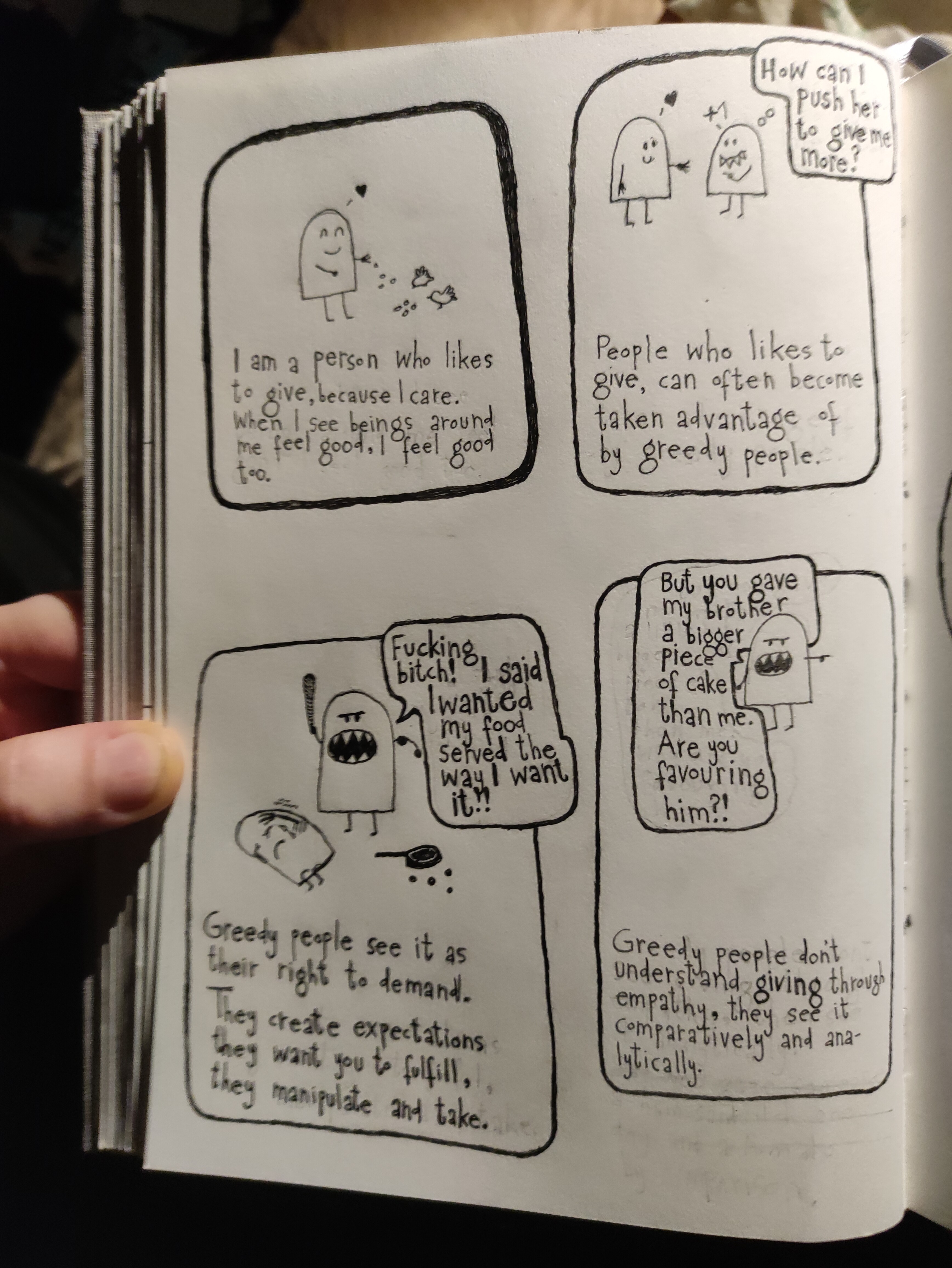
I like to explore the heuristics involved with practical things, because I feel like the procession of practicality rests on these mechanisms. We have a tendacy to think about the answer have the priority, but I think that there is many ways to reach the answer, and it is these multitudes of ways to reach that solution that interests me, if one are accustomed with heuristic properties one can easily reconfigure data in various ways so that one is not just locked to one heuristic model of procession or solution. The most important thing to remember however, is that things touched by heuristics have to be objectified by the mind. I think there is also a risk that the level of control gained from various heuristics creates a new baseline for how things are accustomed to us. If we consider notions such as “How do I deal with this” for example, we depend on heuristic solutions. My issue with this is that heuristic solutions may take over how we engage and interact to such a extent that we MUST objectify everything in order to gain the control, power, and skill heuristics provide.

3 Likes

3 Likes

2 Likes